The First Season Method
How a high-risk pregnancy specialist prepares women for both births, the baby's and her own.
A 90-day guide to preparing your body, your mind and your medical team before you conceive — the way Dr. Hoffman would walk you through it in person.
Much of what shapes a pregnancy is in motion before the pregnancy test.
The nutrients on board in the first weeks, often before you know you've conceived. Blood pressure, blood sugar and thyroid levels. Medications. Sleep. The state of your nervous system.
As a high-risk pregnancy specialist, Dr. Hoffman often meets problems at 12 weeks that could have been found and settled months earlier. This guide is the preconception visit most women never get: the direct questions — What are my real chances? How long should this take? What can I do that makes a difference? — answered the way she answers them in person.
No one can promise you a pregnancy, and I won't. What I can offer is a clear, calm way to prepare, one that takes your body and your mind equally seriously.Dr. Camille Hoffman, from the guide
Six pillars, worked through over about 90 days
Ninety days isn't arbitrary: an egg takes roughly three months to finish maturing, and sperm take about ten weeks to develop. What you both do this season shapes the cells that may become your baby.
Know your baseline
"Is my body ready, and is anything being missed?"
What to bring to a preconception visit, the checks worth asking for, which medications to review in advance, and how to get health conditions steady first.
Nourish
"What should I eat, and which prenatal should I take?"
The eating pattern with the best evidence, and a label-by-label guide to folate, choline, iodine, iron, vitamin D and DHA, including the nutrient most prenatals skimp on.
Clear the path
"Do I really have to give up wine and coffee?"
The short list of exposures with strong evidence behind them, sorted from the much longer list online that mostly produces anxiety.
Settle the nervous system
"Is my stress the reason this isn't happening?"
Why stress didn't cause this, plus sleep, movement, a ten-minute daily practice, and how to get through the two-week wait.
Know your cycle
"When exactly should we be trying, and how often?"
Finding your fertile window, which signs to trust, how often is enough, and what doesn't matter at all.
Prepare together
"Is there anything my partner should be doing?"
The most overlooked part of preparing: what helps sperm, what to stop, what to check, and how to be a real partner in this.
Answers to the questions women ask about most
The honest odds
What your real chances are per cycle and over a year, how age changes them, and what you can and can't change.
The integrative shelf
CoQ10, acupuncture, myo-inositol, herbs, fertility teas: each held to the same standard of evidence, with a clear verdict.
When to ask for help
The timelines by age, the reasons not to wait, and what a first fertility evaluation actually involves.
Trying again
Why it wasn't something you did, when you can try again, and what to expect from a pregnancy after loss.
Questions for your visit
The questions to bring to your preconception appointment, plus a notes page for dates and results.
Your path, included
Guidance for same-sex couples and solo parents using donor sperm, so no one is left out of the plan.
From groundwork to trying, one month at a time
You don't need to do all of it perfectly. Start with Pillar 1 and the prenatal vitamin, then add one change a week.
Groundwork
Book the preconception visit, start the right prenatal, list every medication for both of you, and set a consistent wake time.
Build
Complete labs and vaccines, shift meals toward the Mediterranean pattern, begin a daily practice, and watch one full cycle.
Ready
Confirm medication changes, make the easy swaps, stop contraception when you're ready, and note the date you start trying.
Written for you if…
- You're planning a pregnancy in the next year and want to start well
- You're already trying and want to be sure nothing is being missed
- You have a health condition and want it steady before you conceive
- You're trying again after a loss
- You want natural approaches, but only the ones with evidence behind them
Honest about its limits
It isn't personal medical advice, and it doesn't replace your own clinician or a fertility specialist. It can't promise a pregnancy, and it won't sell you a supplement. Already pregnant? Start with the pregnancy answers instead.
Everything in one guide you keep
- The complete guide: six pillarsBaseline, nourish, clear the path, nervous system, cycle, partner
- Your 90-day planA month-by-month checklist from groundwork to trying
- The prenatal label guideFolate, choline, iodine, iron, vitamin D and DHA, with amounts to look for
- The integrative shelfAn evidence verdict on the supplements and therapies women ask about most
- When to ask for help, and trying again after lossClear timelines, so no months are lost to waiting
- Questions for your preconception visitPlus a notes page to track dates and results
Instant PDF download · Yours to keep
The guide is in final review. Leave your email and you'll be the first to know when it's ready.
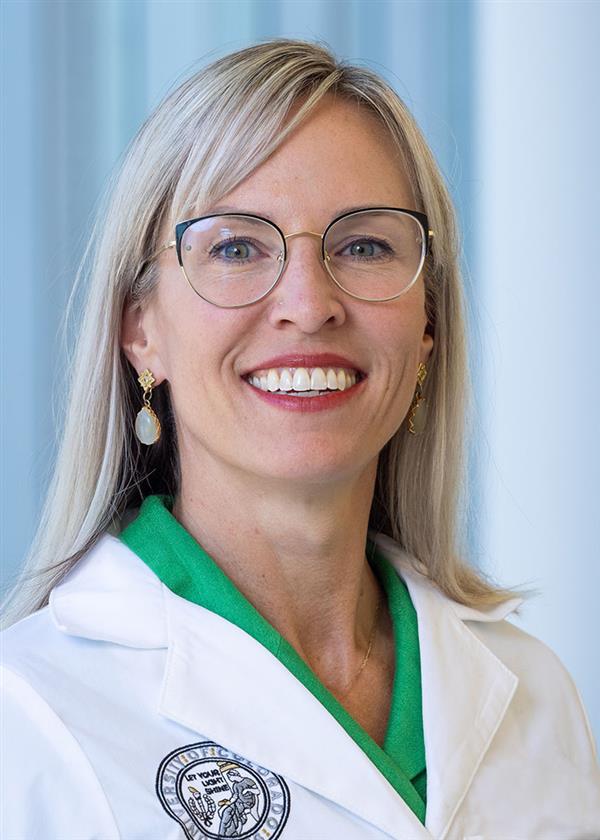
Camille Hoffman, MD, MSCS
Dr. Hoffman is a Professor of Obstetrics and Gynecology (Maternal-Fetal Medicine) at the University of Colorado School of Medicine, with a secondary appointment in Psychiatry. She is a double board-certified high-risk pregnancy specialist, fellowship-trained in Integrative Medicine, and in active clinical practice.
Her research focuses on choline during pregnancy and its effect on the baby's brain development, and on maternal mental health. She has more than 75 peer-reviewed publications and co-authored ACOG's first clinical practice guidelines on perinatal mental health.
Read her full storyQuestions
What format is the guide?
A PDF you can read on your phone, tablet or computer, or print. It's delivered by email right after purchase, and it's yours to keep.
I'm already trying. Is it too late for this?
No. If you're already trying, start at Month 1 of the plan today and fold in the rest as you go.
I have a health condition. Is this for me?
Yes. Pillar 1 covers how diabetes, high blood pressure, thyroid disease, autoimmune conditions and mental health conditions are best prepared before conception, and what to ask your own clinician.
Will it help me get pregnant?
No guide can promise a pregnancy, and this one won't. It helps you prepare well, remove what's known to work against conception, time things well, and know exactly when to ask for help.
How is it different from the free 7 Questions report?
The report answers the seven questions women ask first. The guide is the full method: six pillars, a 90-day plan, the integrative evidence check, and what to do if conception takes longer than you hoped. Get the free report.
Is this medical advice?
No. It's general health education to help you prepare and ask better questions. It doesn't create a doctor–patient relationship. Please make decisions with your own clinician, who knows your history.
This guide is published independently of Dr. Hoffman's university affiliation, and her views do not represent those of the University of Colorado.